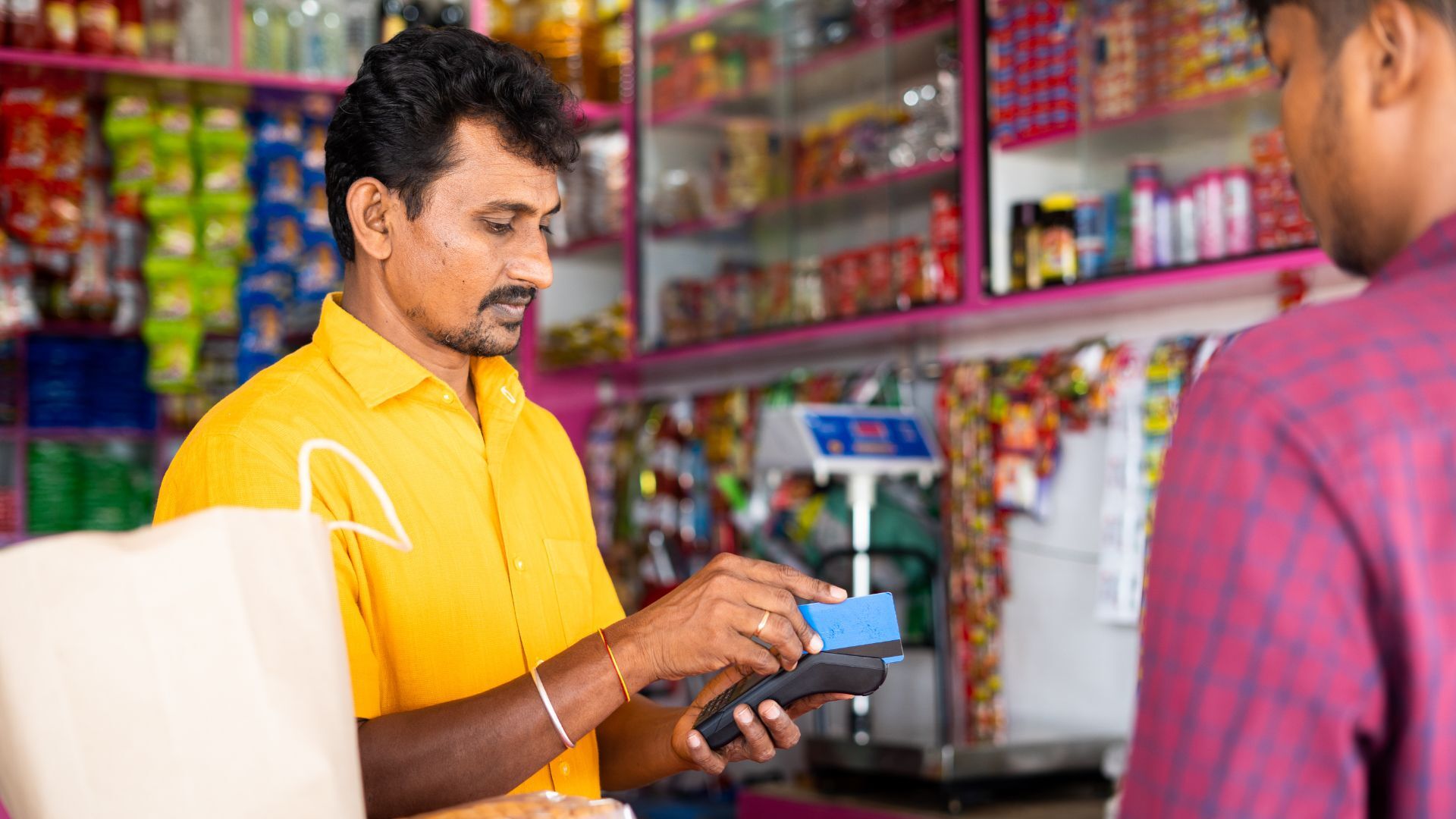

India’s FMCG and retail sectors are entering a new phase shaped by technology, manufacturing ambition and evolving consumer behaviour. Artificial Intelligence is increasingly transforming the industry, from forecasting demand and improving supply chains to enabling more personalised consumer engagement. At the same time, global FMCG companies are deepening their manufacturing footprint in India, signalling a broader transition from simply selling in the country to building export-oriented production ecosystems aligned with the ‘Make in India’ agenda.
Despite this optimism, growth faces near-term pressure from rising crude-linked inflation and concerns over a softer monsoon. Higher fuel and logistics costs are beginning to push up retail prices across categories, potentially affecting consumption patterns and slowing FMCG volume growth. Yet long-term demand fundamentals remain strong, with India’s retail market projected to more than double by 2035.
A major driver of this transformation is Gen Z, whose growing influence across ecommerce, fashion and lifestyle categories is reshaping retail globally. Their preference for digitally driven, experience-led consumption is accelerating the shift towards faster, more tech-enabled retail ecosystems.
Click on the headings below for insights on how these trends are shaping India’s retail landscape…
1. From Farm to Algorithm: How AI is reshaping India's FMCG industry
India's FMCG sector is undergoing a major shift driven by Artificial Intelligence. AI is revolutionizing how companies understand consumer demand, ensuring product quality, and connecting with customers. This technology is set to significantly boost growth and efficiency across the industry. Companies are increasingly investing in AI to gain a competitive edge and meet evolving consumer needs.
2. Why global FMCG giants are shifting from selling to making in India
Global fast-moving consumer goods (FMCG) companies are no longer looking at India only as a large consumer market. Increasingly, they are investing in manufacturing facilities, food processing infrastructure and export-oriented supply chains, which signals a broader shift from 'sell in India' to 'Make in India'. Industry experts say several factors are driving this manufacturing push, including India’s rising domestic demand, lower logistics friction after the introduction of GST (Goods and Services Tax), and global efforts to diversify supply chains beyond China.
3. Crude-linked energy crisis, softer monsoon may slow FMCG growth in 2026: Report
Indian FMCG volume growth is expected to slow down this year. Geopolitical tensions and a potential below-normal monsoon are key concerns. Companies may implement pricing strategies, impacting consumption frequency. In a base scenario, growth could reach 5 percent. However, adverse conditions might push growth to 3-4 percent. Consumers are consolidating purchases, buying less often but more per trip.
4. India’s retail market to more than double to Rs 210–215 trillion by 2035: Report
India’s retail market is set for massive expansion over the next decade, with its size expected to more than double to Rs 210–215 trillion by 2035 from around Rs 90–95 trillion in 2025, according to a new joint report. The report, unveiled by Boston Consulting Group (BCG) and the Retailers Association of India (RAI) at the Retail Leadership Summit 2026 here underline the strong consumption momentum in the country and highlight how technology, especially artificial intelligence (AI), will play a defining role in shaping the next phase of retail growth.
5. War-driven inflation triggers sharp price hikes across India’s retail sectors
War-driven inflation is beginning to impact India’s retail sector, with prices rising across essentials like fuel, food, and appliances as crude oil and supply chain costs climb. Fuel price hikes and higher logistics expenses are now spilling into FMCG and retail categories, putting pressure on both consumers and businesses.
6. Why India’s Gen Z consumer is becoming a defining force in global fashion retail
According to a recent report, GenZ has emerged as a sizable cohort, now accounting for40%–45% of e-retail shoppers in India and channelling their disposable income towards lifestyle, retail, travel, and experiences. Public data indicates that China is ahead in terms of GenZ penetration in online retail, versus the US, which is unfolding rapidly in India as well.

 2 minute read