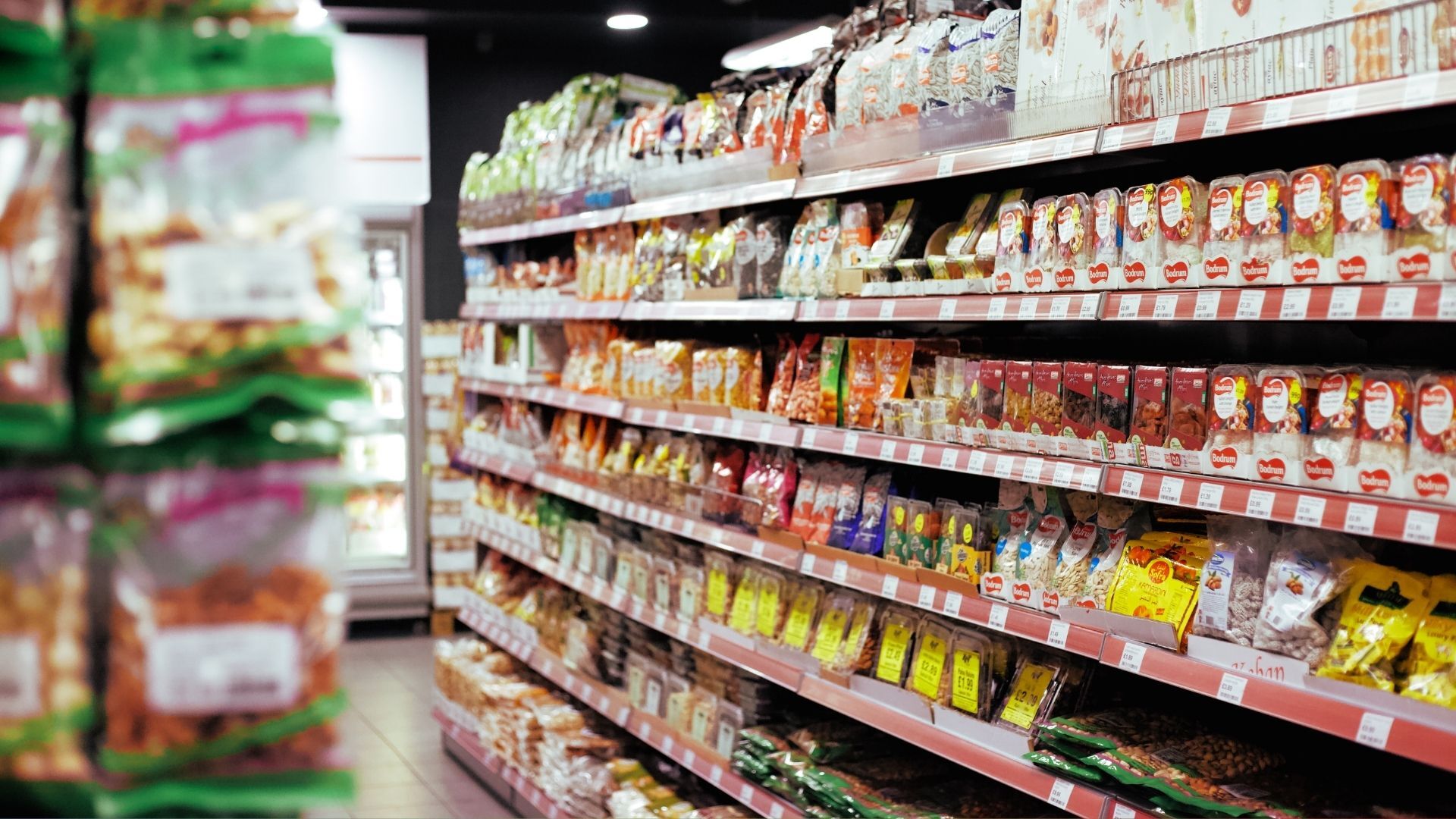
India’s retail and FMCG landscape is entering a phase of reset and recalibration, shaped as much by leadership churn as by shifting consumption patterns. Senior leadership changes across large consumer companies are accelerating at a pace not seen since the pandemic, reflecting mounting competitive pressure from digital-first brands and the need for faster, tech-led decision-making in an increasingly complex market.
At the same time, new battlegrounds are emerging. Pet care is quickly evolving into a mainstream FMCG category, with established players and new entrants preparing for intensified competition from 2026 as urban pet ownership and premiumisation rise. Encouragingly, GST reforms are beginning to show results. Sales volumes picked up strongly in the October–December quarter, and with inventory normalised and production back at full capacity, companies expect a broader demand rebound in the months ahead.
Retail strategy is also tilting long-term. DMart is doubling down on store expansion despite short-term cash flow pressure, while growth momentum is shifting decisively towards Tier II and Tier III cities. Backed by stronger fundamentals, digital integration and new retail infrastructure, the sector is positioning itself for accelerated growth in 2026.
Click on the headings below for insights on how these trends are shaping India’s retail landscape…
1. Indian consumer giants' CEOs changing at a pace not seen since Covid
Top leadership is changing rapidly across consumer companies in 2025. Major firms like Hindustan Unilever and Britannia Industries are seeing unexpected exits. This shift is fuelled by intense competition from digital brands and a demand for quicker growth. Companies are prioritizing leaders with strong digital skills to navigate a complex market.
2. Pet care is set to become India’s next FMCG battleground in 2026
India’s pet care market is rapidly evolving into a key FMCG battlefield, with big players like Godrej, Nestlé and new entrants such as Reliance’s Waggies and Wipro’s HappyFur ramping up activity as urban pet ownership and premium spending grow. 2026 is expected to be a year of fierce competition and expansion in the segment as demand for science-backed pet nutrition and diversified offerings surges.
3. FMCG growth post GST cuts: Sales pick up in first quarter after reforms; value growth stays muted
The Goods and Services Tax reforms, announced on September 22 gave a much needed push to consumer demand, as sales volumes for household essentials and groceries rose sharply in the October-December quarter, as compared to a year earlier. According to executives citing NielsenIQ data and internal company numbers, volumes expanded by around 9–10% in the December quarter, up from 7.1% in the same period last year.
4. FMCG companies refill all channels as GST dust settles; expect sales upswing
Consumer goods companies in India are seeing normalised inventory levels after GST disruptions, with production now at full capacity. Companies anticipate a strong sales rebound starting next quarter as operational adjustments are complete and GST benefits are passed on to consumers, driving demand.
5. DMart Prioritises Store Expansion Over Near-term Cash Flows
DMart is prioritising long-term scale over near-term cash generation as it accelerates its physical store expansion across India, according to the CLSA India Weekender All Things India report. The strategy is expected to keep free cash flow under pressure in the short term, even as the retailer strengthens its position in the country’s grocery and essentials market.
6. Driven by stronger fundamentals, Tier II/III boom, retail sector set for accelerated growth in 2026India's retail sector is set for strong growth in 2026. Demand is shifting to smaller cities, boosting the market. Digital integration and new mall developments are key drivers. Experts predict double-digit growth, with technology and consumer focus shaping the future.

 2 minute read