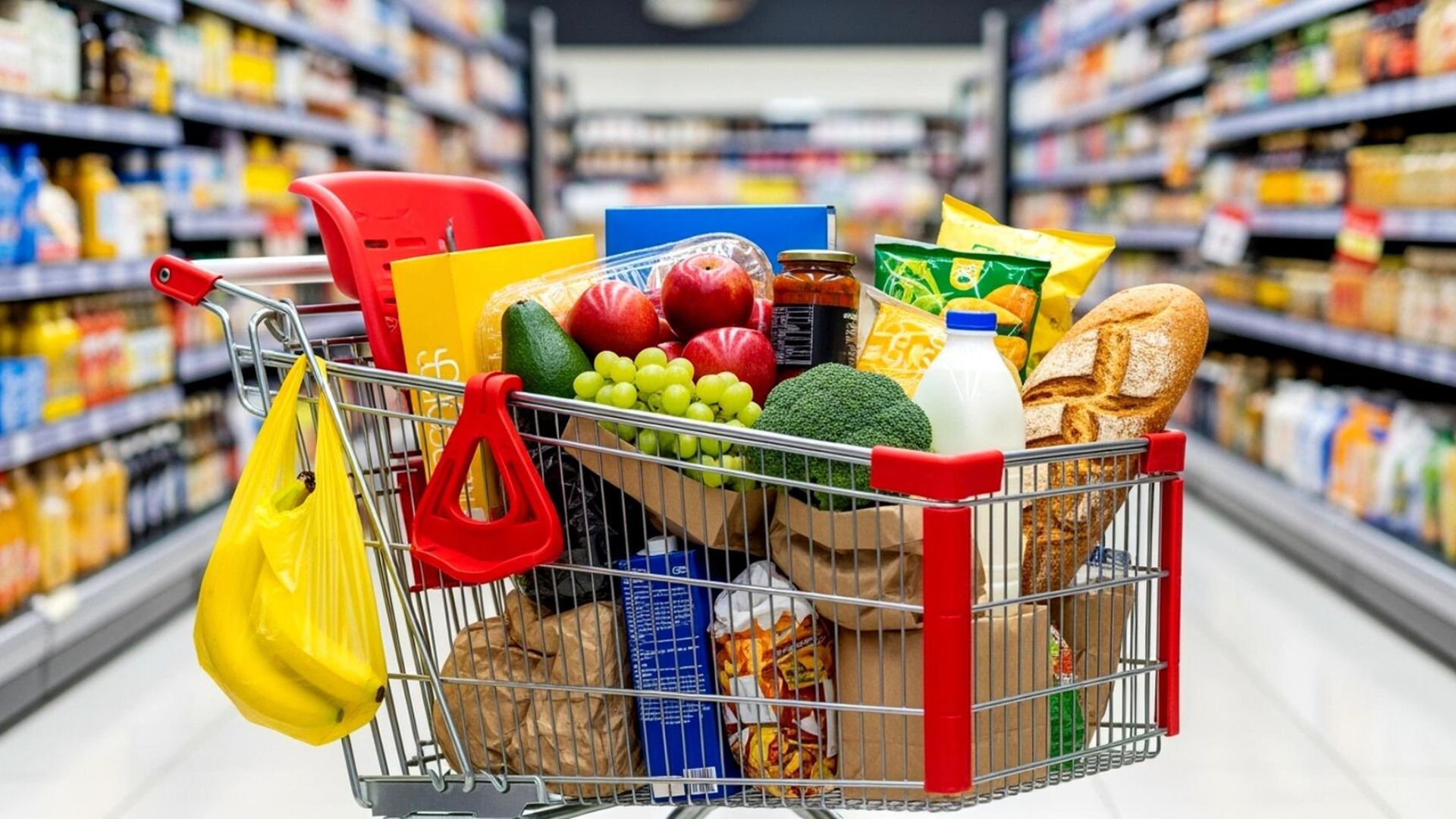
India’s retail and FMCG landscape is entering the new year with a mix of cautious optimism and structural change. Retail inflation is expected to inch up in December as food prices firm, but remains comfortably below last year’s levels, offering policymakers and businesses some breathing room as consumption stabilises.
Growth momentum is increasingly shifting beyond metros. Tier II and Tier III cities are emerging as powerful engines for grocery retail, driven by rising aspirations, better connectivity, and the spread of digital and organised formats. Looking ahead to 2030, FMCG consumption is set to become more frequent, more digital and more value-conscious, with quick commerce, affordable premiumisation and deeper rural participation reshaping portfolios and pack sizes.
At the same time, regulatory bottlenecks around certifications and licences are disrupting launches and production cycles, highlighting the need for smoother approvals. Leadership churn across FMCG signals a broader reset, as companies move from survival mode to growth playbooks for 2026. With GST relief, sharper rural execution and digital channels coming together, the sector is recalibrating for its next phase of expansion.
Click on the headings below for insights on how these trends are shaping India’s retail landscape
India’s retail inflation likely edged higher in December 2025 to 1.66 per cent from 0.71 per cent in November, driven by a strengthening in food prices across most segments, according to projections by Union Bank of India. The official Consumer Price Index (CPI) data for December is scheduled to be released on January 12, 2026, or the next working day if the date is a holiday.
2. From Kirana to Click: How Small Cities Are Transforming India’s Grocery Market
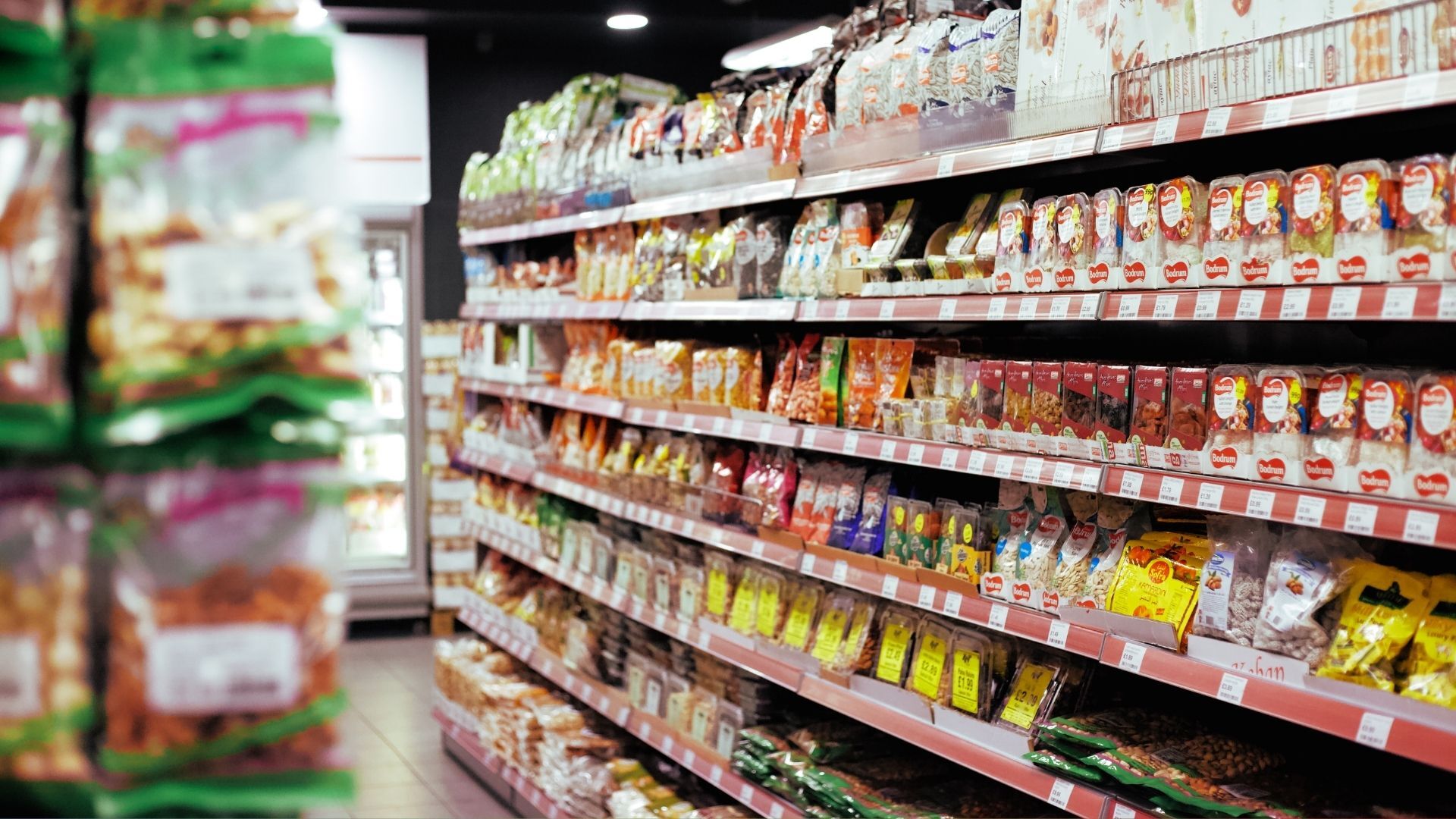
The Indian grocery retail market is undergoing an evolution, and this is not being driven by metros. Although the Tier I cities set the tone for the concept of organized retail and quick commerce, the current momentum is coming from Tier-2 and Tier-3 cities. These cities are witnessing the culmination of consumer aspirations, connectivity, and entrepreneurship.
3. How India will consume in 2030: 10 mega consumer trends in FMCG
By 2030, India’s FMCG consumption will be driven by a larger, more aspirational population that buys more frequently, digitally, and with higher expectations of value, health, and convenience. Quick commerce, affordable premiumisation, and deeper rural participation will reshape pack sizes, pricing, and portfolios. Sustainability, data-led personalisation, and the rise of private labels will move from differentiation to default.
4. Regulatory delays cripple Indian cos: Certifications disrupt FMCG, electronics sectors' performance
Businesses face significant delays due to slow regulatory approvals like BIS quality certifications and FSSAI licenses. This impacts production schedules, imports, and product launches. Companies report months of delays, missing crucial festive and peak sales periods. Sectors like electronics, telecom, FMCG, and consumer goods are most affected. Regulatory preparedness is key to business success in India.
5. The Great FMCG Reset: What the CXO churn is really signalling
2025 was a reset year for India’s consumer sector, marked by high-profile leadership exits, promotions, and cross-industry moves that go beyond typical FMCG churn. Senior FMCG leaders are increasingly exploring roles outside the category not due to lack of faith in FMCG but driven by fatigue, fresh challenges, and broader opportunities, while companies benefit from fresh perspectives brought in from other sectors.
6. From survival mode to growth gear: FMCG firms rewrite playbooks for 2026
FMCG companies are shifting out of cost-cutting “survival mode” into growth-oriented playbooks that balance value-led mass volume with rising premium demand, driven by dual-speed consumer behaviour in 2026r. They’re leaning on GST relief, quick commerce, rural execution rigor and category innovation to expand reach and relevance across channels and markets. Premiumisation, digital channels, and tailored assortments are shaping how growth will unfold.
 2 minute read